Shopping for backcountry skis–whether it’s your first pair or an upgrade–can feel overwhelming. When friends ask me for advice, I usually respond with questions: What type of skier are you? What time of year do you like to ski? Do you prioritize uphill efficiency or downhill performance? What type of terrain do you like?
Start by thinking about your goals in the backcountry. Then, dive into the specifics of ski design. The following guidelines can help take the guesswork out of choosing a ski—plus, I’ll touch on the often-overlooked decision between men’s and women’s skis.
- Ski width (mm underfoot): If you're buying just one pair of skis, choose a width that suits the conditions you'll encounter most often. Do you only tour in mid-winter when there is deep powder? A wider ski width of 100-110mm will float better in deep snow. Do you love springtime corn skiing when avalanche conditions are generally stable and you can climb high into the alpine and ski steep terrain? 75-95mm will provide better edge control and is easier to maneuver on steep slopes and in firm conditions.
- Length of ski: Ski length depends on more than your height. Ability level, weight, and type of terrain you plan to ski factor into this decision. I often recommend going a couple cm shorter than a resort ski. In the backcountry, we often ski more conservatively and make tighter turns, especially in variable conditions, tight trees, or narrow couloirs. For big, open alpine terrain (think Alaska), a longer ski offers more stability at speed and allows for wider turns. Keep in mind, longer skis are heavier and make kick turns harder, so consider how much uphill travel matters to you.
- Weight: A ski built for touring is made with lighter materials to optimize the uphill experience. The lighter the ski, the less weight to carry uphill. Every gram counts when we take thousands of steps during a day of ski touring. That said, lighter skis can compromise downhill performance. If you prioritize the descent, you might tolerate a bit more weight for better stability. It’s all about balancing your preferences.
- Ski Shape: Ski shape determines how much ski (edge and base) contact the snow. Camber (more arch underfoot) provides better edge control. Rocker (a slightly lifted tip and/or tail) makes turn initiation easier and improves float in powder. Most backcountry skis use a hybrid shape, with camber underfoot and slight rocker in the tip and tail for versatility across different conditions.
- Men’s or Women’s Ski: Finally, don’t overlook the difference between men’s and women’s skis. Women have different biomechanics—like lower body weight, smaller feet, and a different center of balance—which affect how we pressure and control a ski. The difference isn’t just a shorter ski or a different color. Thanks to brands like Blizzard Tecnica, a lot of research has been done to develop backcountry skis specifically for women. Even if you find a men’s ski with the right specs, you’ll likely have a better time on a ski built for women.Hopefully these pointers, and reflecting on your skiing goals, can take the guesswork out of ski shopping, so you can find the perfect ski. Happy skiing!
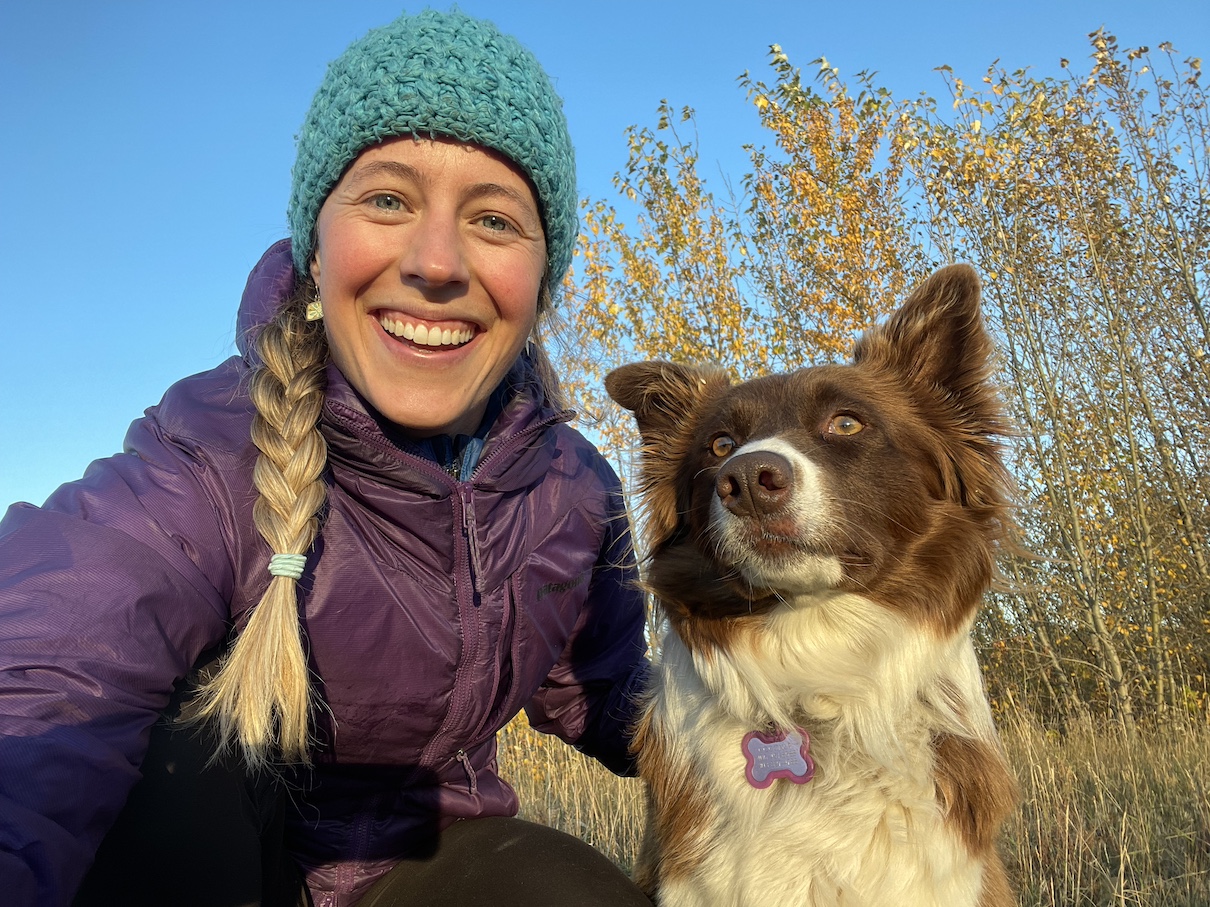
Nina Marienthal is the Lead Guide for Beartooth Powder Guides in Cooke City, Montana. She worked as a heli-ski and cat-ski guide for three years in Alaska before transitioning to her current position. Nina worked for a winter as an intern at the Gallatin National Forest Avalanche Center, and she is a fully certified AMGA ski guide. She is also a Lead Avalanche Instructor for the American Avalanche Institute.
Disclaimer of Liability: Technical rock and ice climbing is inherently dangerous. Neither Broad Beta, LLC., nor any of its employees, shall be held liable for any improper or incorrect use of the information described and/or contained herein, and Broad Beta, LLC. assumes no responsibility for anyone's use of the information.
Any person using our gear in any manner is personally responsible for learning the proper techniques and good judgment. We strongly recommend that every climber seek instruction by a qualified professional.
