
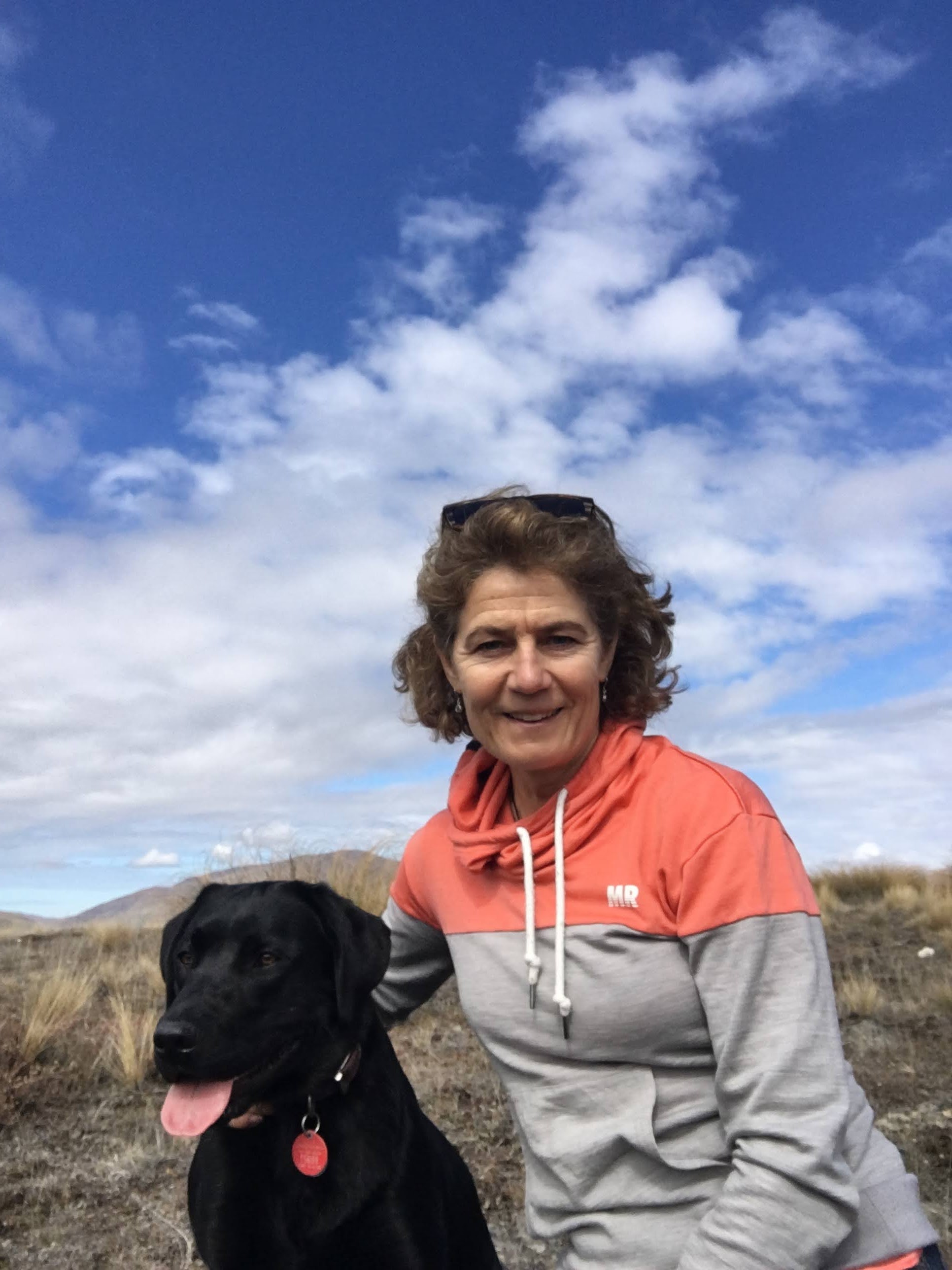
Cat: Welcome to the Broad Beta Podcast. I'm your producer and co-host, Cat Coe., and I'll be hosting with Broad Beta co-founder Jeannie Wall today. Today's guest is Andrea Hamilton Davis. She's an American woman who has lived in New Zealand since 1990. Andrea holds a master's in environmental policy and management and a master's in landscape architecture with a background in anthropology. During her early years in New Zealand, Andrea was a sponsored adventure racer and won eco challenges in both Australia and Patagonia. She holds the record for the iconic Kathmandu coast-to-coast race. If you're not familiar with this multi-sport race, it crosses New Zealand from the west coast to the east coast of the South Island. And it features running, cycling, and kayaking sections over a total of 151 miles. She did all of that in just 12 hours, 9 minutes in 1997. Andrea has since retired from racing, raised three kids, and now works as a decision maker in her region's government, trying to push the country toward better environmental policies and outcomes. Without further ado, let's welcome Andrea.
Jeannie: What I think is really interesting for the broad beta community to hear from you is just more about your life as a woman who's done a lot of things in the mountains, albeit a lot of racing with adventure racing and other things. And then had a family, and you know, your kids got in the mountains. And I mean, I'm just really curious to talk to you about sort of your expat life and then how you kind of segued that into your love of the environment and concern for it, and really being vulnerable to get back into the degrees you got and then politics, let alone fighting the environment in that realm.
Andrea: Well, politics takes a certain level of courage.
Cat: Yeah, yeah, for sure.
Andrea: Cool. Okay, well, I’m Andrea Hamilton Davis, and I grew up in Bergen County, New Jersey, and then went to high school in Manhattan, spent my summers running around on the rocks of Maine and Vermont, and skiing and water skiing and horse riding and all that stuff, playing the woods.
Then I lived out in the Hamptons for 10 years. I had a landscape design business. I went to UVM and studied water resource management, but I was also living down in Long Island in the summers, so I decided funnily enough, I moved back to East Hampton full-time for a guy, and I ended up at Stonybrook, and I did an anthropology degree, which was a little bit off track, but anthropology does link in with the environment hugely, because let's face it, we're people on the planet doing what we do.
Jeannie: Well, and I think the whole the whole thing about the Anthropocene is something, I mean, you're at the heart of it. I mean, because that that is that has given us sort of carte blanche to just rape and pillage, if you will.
Andrea: Well yeah, Western philosophy… all the different philosophies. I studied and went around the world on a ship, Semester at Sea, with the University of Pittsburgh. I was lucky enough to do that, and we went to 11 different countries while I had water resource management in my head.
.jpeg)
Because of the surfing scene in Montauk, I ended up going to Hawaii for a windsurfing trip. And I met this Kiwi guy. I was like, oh yeah, interesting. And back and forth, back and forth. You know, back in those days it was the 80s. New Zealand was just such a rare place, but I had happened to have studied it at environmental studies at UVM. We did it as a um case study on erosion, which was really interesting.
I had this vision of New Zealand. I thought, oh, that's interesting. Anyway I came down and did a lot of climbing, mountaineering, whitewater kayaking. I always rock climbed when I was young because I worked at a camp, an outdoor adventure camp in Connecticut. So started rock climbing there.
I mean, the rock climbing in New Zealand is not great, it's better in Australia, but it is just over there. We just fly up there and climb. So that was the decision to leave the US. That was the first big life decision. Tt was 1990, so I was 26 or seven. And then ended up, you know, getting married, having three kids here, did my landscape design here. Back in those days, hardly anyone was doing it.
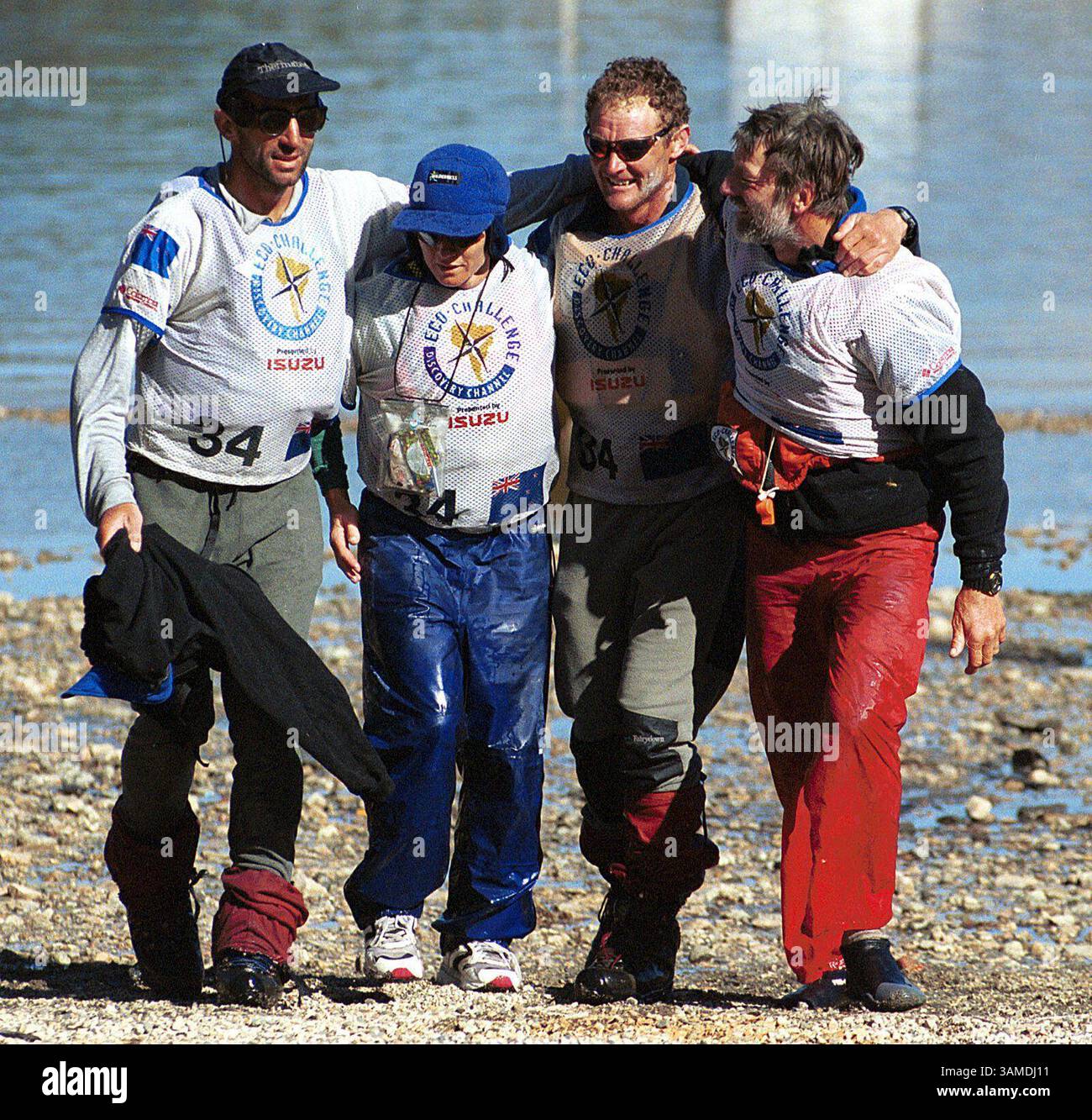
I eventually put my career on hold and raised these three kids. And you know, they didn't have a television, we didn't believe in television. We did we were outdoors all the time. And I was a professional adventure racer, so we were sponsored to race. We did a lot of local sort of Raid Gauloise type races here, Southern Traverses, and then we went and we joined in the Eco Challenges, did a lot of them, and we were quite successful as Kiwis because we were good navigators and we just get the job done.
Jeannie: Can I interject for a second? “We” being you and a team?
Andrea: Yeah, so my my husband at the time, Keith Murray, myself, Andrea Murray. So we are the record holders of the coast to coast. So we at the time we were the fastest people when
Jeannie: This was before kids? or during kids?
Andrea: Well, I raced a little bit before kids, but it really started internationally after kids. Well, because it was the way I could actually get away and get a nanny and have a holiday, and I'd have to go like adventure race for six days to get a holiday.
Jeannie: Most people don't call it a holiday, they call it torture.
Andrea: So my first child was born, and then I did the coast to coast, and I did really well. I mean, I broke the record and I didn't find it that hard actually, which was a little bit of a like
Jeannie: And can you just give a brief outline of what that race is?
Andrea: So the west coast of New Zealand iss a wild beach, and there's a mountain range, big mountain range, the Southern Alps, and then it comes down into the plains. So you start in one day, 6 a.m. You run from the beach to your bike, and you bike to the highest point you can in the mountains, and then you run through the mountains, and you get back on your bike, you need a support crew, and you bike to the a river, the Waimakari River, and then you paddle for about four or five hours downriver racing down this river, braided river. So you have to read the river. And then you bike into town, into Christchurch. So that took 12 hours, 12 hours and 9 minutes for me.
Jeannie: How many… well it doesn't really matter mile-wise, because I think it's hard to…
Andrea: Well to drive it, it takes you four hours. It's more just the route. It's a really cool race. It's still going today, but you can do it in many different ways. You could do it as a team, you could do it two days. The “longest day” they call it is the one that people strive for as if you're challenging yourself as an athlete. You have to be able to run over rough ground quickly, which as a kid, I could.
Cat: And it's off trail.
Andrea: Yeah. The biking, the road, it's road biking, so you have to be competent on a road bike. There's no drafting the second half, but the first bike ride, there is drafting, so you need to understand all that nonsense in bunches, and you have to be in the first bunch. So you have it's it's a bit of tactics. Whatever. Anyway, it's a bit of blah blah blah.
So after that, my child Charlie was one, and then we got invited to do Eco Challenge Australia in Cannes. And so we did that and won that, and that was pretty wild. You know, Australia's there's a lot of poisonous things like plants, animals, crocs, like you name it, it's there. We did that with our Kiwi teammate and an American guy who got the sponsorship basically, and then we went to Patagonia and did that.
It was an awesome eco challenge, beautiful place. Awesome whitewater. We had these little mini Pack Rafts, basically, back in the day. That was the start of it. Amazing terrain.
And then the last one we did was Borneo, which was when Mark Burnett was just trying to launch Survivor.
Jeannie: I remember that one.
Andrea: We were the test. And we let's face it, adventure racing back in those days, there was a hell of a lot of irresponsible race directors. Mark Burnett was not one of them, he was actually quite a good one, and he did care about the safety, but there are some things that we did, you know, like getting into a flooded river in was it Borneo? I mean, talk about contaminants and flooding and river and you know, trees in the river, and you're in it, you've just got your backpack and your life jacket, it's ridiculous stuff.,
Those adventure races, they're still going, and people are doing them. I think it's a good thing to do. It's not good for your body to go without sleep, but as far as having to figure out there's no point getting across the finish line by yourself, you've got to get across the finish line with the others. And this politics game is bullshit. They don't realize you actually got to get everyone to agree or at semi-agree, because all this stuff is bigger than us. Even racing is bigger than you. I mean, it feels like it's just me and I'm the most important person in the world. It's not really. That's kind of what I mean. I never really took it that seriously because I'm not that selfish. I'm just not a selfish person. So I couldn't really be like, oh, hang on, I've got to get the whole family to, you know, fit in with my racing life.
Cat: So I want to hear more about what you're referring to with politics. But also, if you didn't really take it that seriously in terms of like competition for yourself or being the winner, what was it that compelled you to keep doing adventure races and to travel so far to do them and and fit them into your life between kids and all that?
Andrea: Well, I think it was a a good mental break from the the doldrums of literally just cleaning and doing laundry and raising a family. The courses were challenging, really cool. And I mean, because I could horse ride and I could absail and I can rock climb. So the skill set was my skill set. So I thought, oh, this is really cool. Like we can do this whole race, and all these things aren't really freaking me out. Because I think for a lot of teams, some of these new activities just use so much of their energy from mentally freaking out about it that they they would they would run out of energy, they wouldn't get to the end, you know?
So for us being Kiwi, and I was like, I mean, I guess I'd only been here for 10 years then, none of it was really that hard. It was just, oh yeah, so we just have to climb that mountain and come down the other side and then jump in a kayak and off we go, which is kind of what we do here anyway.
Cat: Uh-huh. And were your parents super outdoorsy? Like, did they I I know you said you were running around in the woods a lot as a kid, but did they like teach you that sort of resilience in the outdoors?
Andrea:No, we all our summers were spent at these awesome summer camps in Vermont and Connecticut and places. So we were really into the water sports and the mainstream stuff. And then at school, you just played your ball sports. But the adventuring, like going beyond, was didn't start until I came to New Zealand, really.
I suppose because I'm a curious person, I'm not someone who's gonna, like some of these people or career athletes, do this coast to coast race for 10 years in a row. I'm like, whoa, I would never do that.
Like, I just am much more curious. I just want to do new things and go somewhere different. And so going to different countries and racing is awesome because you've got that, but you've got the culture as well, and you've got the language and you know the different maps, and you're kind of going, wow, this is this is a lot more interesting. Yeah.
Cat: Were you training a lot when you were doing the races?
Andrea: Yeah, you need to be as fit as you can possibly be because it's so tiring not sleeping that if you're not fit as well as not sleeping, you're really grind to a halt. But if you're fit and you just don't sleep, you can do things to just keep your body going for six days.
Jeannie: You did that with how old was your first child when you were racing? Like you had a kid while you were racing.
Andrea:Yeah, yeah. I had Charlie. I did Australia and Patagonia when we just had John. Then I had Craig. I mean, essentially, they were really young when we went to Borneo.
Jeannie: You're not sleeping at all. Like you're not I mean, I know a lot of women who do those races, and I know a lot of women who have kids and still are very, you know, athletic and very into their thing, whether it's climbing or whatever. But but those races, and I've only done a couple. I mean, the sleep deprivation, after I did a couple, I was like, you know, I'm gonna save myself because this is so unhealthy. I'm gonna save my sleep deprivation for when I'm in the mountains and I have to not sleep, like it's an imperative to get through. Because it was like it felt so just draining in a way that was really unhealthy. But here you are, you're a mom. You know, you're already probably not sleeping well. Maybe that trained you up. But how did that all fit together for you?
.jpeg)
Andrea: I have a lot of energy, I've always had a lot of energy. I will go to the end. I sleep really well, but I don't need a lot of sleep. I do need a lot of sleep now that I'm older, I need more sleep. But when I was young, I mean, Jesus, in New York, we used to just we'd do all nighters all the time. Not a problem. So I suppose if the activity is interesting enough and you're doing, I mean, I ate coffee beans covered with chocolate. That was how I stayed awake in these races. And we had sleep, like the first night we'd stop for one hour, the second night we'd stop for one and a half hours. We'd always elevate our feet. We had a program because we knew you you do have to stop, even if the other team's going in front of you. That's okay because you've just slept for two hours, so you've got money in the bank. And we knew that at night you crawl, like the pace you go at night is so slow. So slow. We were just really smart about that. Yeah, as a result, we would beat teams that never stopped to sleep. They were faster than us, but they never stopped to sleep, and then they just completely blow up at the end.
Jeannie: Did you appreciate, like you said, you appreciated the culture in some of the places you went to? Did you appreciate the mountains you were traveling through, even though it's hard to do that when you're so sleep-deprived, right?
Andrea: It was, yeah, that was a bit of a bummer in a way, because half the time you're away, it's dark. So the stage of the race that you remember the most, obviously, is like the sunset and then the day and then the sunrise, but look, we rode our bikes so many times at night, you wouldn't know where the hell you were. And thank God we had this one friend, Neil Jones from Fakatani up north. He's a hunter, incredible navigator, because that was always hard. If you didn't have a good navigator, I mean, we did pretty well, most of the time we were fine.
But man, there's nothing bad for a team when you think you're going the right direction and then you're not going the right direction, and the motivation just drops, and everything, everyone gets bit down.
And look, it's the same with policy, strategy, and policy with government. You think you're going the right direction, and you you read a paper and someone's done a study, you realize, oh, we have not gone the right direction. And it's you know, the whole planet kind of thing. Oh, we really didn't get it right, did we? No, you haven't got it right yet. And um, let's hope you can get it right.
So, yeah, the the racing piece was, I feel a phase. I mean, after Borneo, I think that was it. I stopped racing because I got pregnant with Fiona and had her, and then I didn't really race anymore at all. Keith kept racing, so I was babysitting at home all the time, and we just did family trips, and by then, you know, once your kids are like 10, the activity level just goes up and up and up, and so then you know, but we started racing, the kids started racing XC mountain biking with me because I race XC mountain biking, and so we were away every weekend racing, you know, the national series, and so you know, you kind of what do you call it pivot? So you go into a different thing, and so we got really into mountain biking, and we always did a lot of skiing because we live near the mountains, so you know that's why the kids just have a great background of nature, outside, high-risk situations.
I mean, I've realized now I'm in a I'm in a council of 14 people, but not everyone has the same risk profile, like my tolerance for risk is so high because I just go, oh, well, that's not a problem. Nothing's gonna go wrong there because I know that I can, but I'll tell you what, there's a lot of people in this world, and they do end up in politics, very low risk. They would every they see everything as a risk, they see everyone is kind of a bad player, and I'm thinking, wow, you really don't have any trust in yourself or in the world around you. And I'm thinking, this is really hard to make decisions like this.
Jeannie: Yeah, I'd love to back up just a little because I think that's sort of the point of what is inspiring about your life, but also what we're really trying to inspire in all of us, especially as women, is just you know, your connection and through all through the adventure racing, which is really hard, but also very much raw, wild. It's less of a sport than I think of other things that are competitive sports, right?
Andrea: Yeah.
Jeannie: It's more like in some ways, I mean it's structured race, but like an expedition climbing where you've got to navigate, you don't have all the answers, you don't know what's gonna happen, you don't know the weather, you're out there for a long period of time, you're sleep deprived.
I just think so many people, like you just mentioned, and sadly, those are the ones probably in politics running are, but they don't have any of that sense of what it's like to be outside their comfort zone. And I love that, you know, you parlayed this whole thing of your love of mountains and wildness and racing in that context, but with your kids, with getting them out, and then transitioning into politics. And as a woman, I don't know what New Zealand's like, but you probably were certainly a bit of a minority in the adventure racing. I think the teams had to have some women, right?
Andrea: It's usually three men, one woman. Usually.
Jeannie: You know, what's it like having transitioned into politics? You haven't really talked about what your role is, but you know, the your environmental passion for clean air, clean water is what you're working on, even in the council.
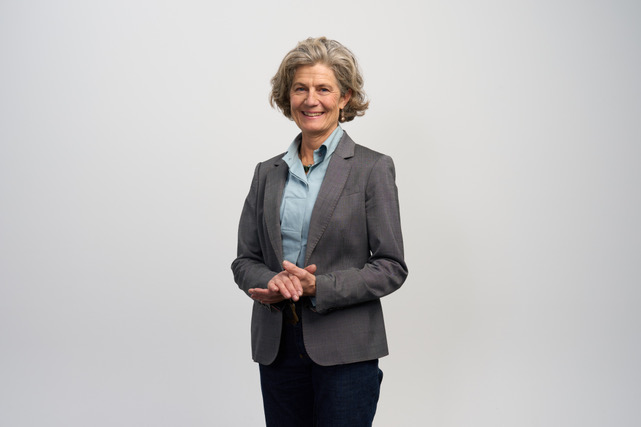
Andrea: So I got a master's of landscape architecture in the middle of getting divorced. And I thought, oh, well, this is really interesting. Learned some good stuff there. Then I at 58 or something, I thought, I really want to know how we got ourselves into this very awfully balanced breaching the planetary boundaries kind of situation. So I went back and got this Masters of Environmental Policy and Management because I really wanted to understand like why the UN conventions, why don't they work? You know, why can't the world get together? You know, why are these monopolies doing colonization and mono crops and all this?
Jeannie: And just to back up, just so we're clear, you did the degree in New Zealand?
Andrea: Yeah, both. So I did the anthropology at Stony Brook and then I did landscape architecture masters up in Auckland and then this master's right here in Christchurch.
Which at the time the government, I didn't realize it, but she Jacinda Adur, an awesome lady who I've actually met by the way in the lounge at the airport, she made it fees-free for any higher level master's program that had to do with planning, environmental management, a whole range of skills that we needed to make good decisions. So basically I've trained myself to be a decision maker in the environmental management space and policy. Because I don't know if you've ever tried to read government policy, but it's written by people who do not think holistically they do not think of the entirety of the environment or how these things are interlinked. It is literally like a legal document to get those words translated to how we do this on the ground in 3D is what we're currently working on here in New Zealand.
Cat: So are you working mostly on policy in New Zealand? Are you working on policy in the US or are you globally focused?
Andrea: What you would call a state government, so below the central government then there's the regional governments which is Canterbury. So I'm in the middle there and then below us is the city all the city councils like the mayor.
Jeannie: Like a state representative.
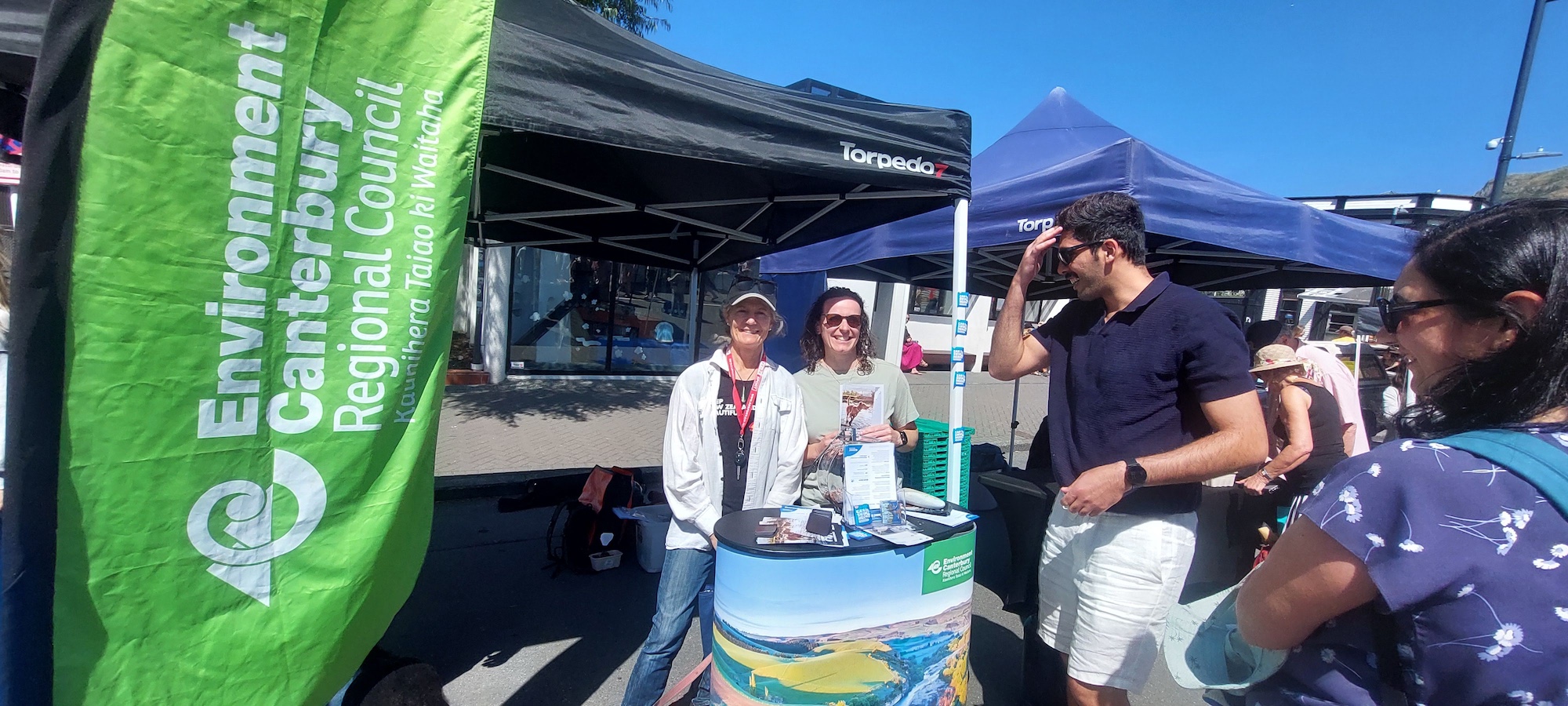
Andrea: Yeah and our whole focus is the environment pretty much and we also do the public transportation piece because that's a regional piece. So all the regional councils are basically responsible for water, air, land–so farming. Our farmers bless their hearts have some problems with effluent dairy. Dairy's our biggest industry and tourism's our second biggest industry so there’s these little tensions. It's a skill to sit in a room with 14 different people who come from all different backgrounds, like I am just an outlier, but then if you surround yourself with other people who just climb and guides, you get so blinded you think oh well everyone thinks like this or you know why can't we just make the environment better? Well you need to go out into the real world and hang out with some of these people who grew up in an apartment or you know they've been a dairy farmer their whole life and really understand it.
Cat: What perspective do you think you've gained by trying to make decisions with these people that are coming from very different perspectives, like what do you think you've learned about the world and about people?
Andrea: Well I can tell you this: they think they're right someone else thinks that they're right probably both of them are right. But because it's such an interconnected web of how we are on this planet there's other things that are in the middle of that so it's not like anyone's wrong
Cat: It's so much more nuanced than that, people are complex.
Andrea: And what's also complex–this kind of takes me back to that adventure racing piece– it's all about relationships because here's the thing you're faced with a decision so we have council meetings and we have to decide and you don't have all the information, you don't have all the time. So the decisions aren't perfect.
There's always going to be a middle ground and you could stick to your guns and be like I don't agree with this and and you could vote against it. But actually both parties need to come together you need to decide what's going to be best at the time for the region.
Now all this stuff changes as well. So the plans we made land and water plans 10 years ago that we're still using and they basically don't work, because 10 years ago, as you guys know, we know a lot more now about everything. Our health, the way people you know eat and drink and sleep, and the way we have a relationship with the soil even like the stuff, and the ocean like what we know so much more now about the ocean we that was a big mystery and we still don't know everything. So it's this very messy type of work decision-making I have to say and it's relationship heavy if you don't trust the people that you're in the room with that you're gonna suffer and and everyone will suffer. All your constituents will suffer because you won't be able to make any decisions.
So a lot of CEOs you hear them saying, well you know the best thing you can do is just to move forward make a decision move forward because if you're stuck in this, oh you know I don't know it, it just all falls in around you.
Jeannie: I think given where we're at I'd ask two questions: one is do you feel like you're on a parallel with the US in terms of the environmental issues and the government interaction and and support or not support? And also with that like you know we're paralyzed right now because it is all about power struggle right we we aren't coming together at all, and so what do you what do you use from your past or just what you've learned you know your experience and specifically if it matters as a woman you know how do you get these people to trust each other in this room? like we have no trust anymore over here. You know and obviously on your team you had to trust each other as a team.
Andrea: I ask them questions and I genuinely want to know why they believe that I want to understand their belief system I mean here it's a lot less complicated the cultures you know we've got the English settlers so Anglican and then the Maori and the Pacific Island sort of cultures and but now we also have Chinese and we have Indian so a lot of Asian influence so I suppose we are quite diverse but in government it's still white men. Women are getting a foot in still mostly white women and so I do point out our similarities and then the differences and I have the ability because I'm the only one who didn't grow up here in New Zealand my perspective is so different from that I mean I grew I was in Manhattan like at Studio 54 in the 80s literally going to Madison Square Garden and seeing the stones like every year.
I mean I can tell them and I did say today we were at a meeting with the dairy company and we were talking about the quality of our water–and we have amazing water coming out of the tap–and I said to these guys: you realize in every boardroom in America everyone drinks bottled water.
They were like oh yeah that's right we are one of the few countries where you have perfect water coming out of the tap, but we have a tension because we have too many dairy cows on the plains and the the soils are very porous so the the pee is going through and there's elevated nitrates. The jury's not out on if they cause bowel cancer or not. There was one study, not everyone agrees.
It's always this tension and we're pretty good at making decisions in the council chambers and then going and having lunch and talking to each other like human beings. There are still people who will always feel paranoid.
Paranoia is growing in the US. When I go back to the US to visit my mom I see Americans are a lot more paranoid than they used to be and that's comes from whatever news channel you're following.
If someone's in your ear all the time with these conspiracy theories you don't trust anyone and you are paranoid. You think that big brother is watching and they are…
The one thing I do know because I'm watching it: our capitalist system, which we're all part of, the market knows best blah blah blah… now they have been trying to sell us that GDP must grow GDP must grow. Well if you look at it and you can Google it: the history of GDP across the world, we boomed up in the 80s, 90s not so bad.
Now we cannot get it to grow it's just slowly moving down down and it is literally because the earth and the oceans cannot support it anymore. So you can only take so much out and then you just cannot have this unlimited GDP growth constantly. It's a falsity and they're selling it to us it's not possible. If you look at it there's a there's a line on a graph and it just slowly slowly slowly we just can't quite get it to do what it used to do.
It's a big reality pill literally that ecosystem services which we've taken for granted can't keep giving.
Jeannie: So one of the things people over here tend to try to convince us of, especially in the outdoor industry, is the more people we get into the wilderness, the more people we get outside the more, they'll appreciate it and they'll want to do something about it to save it. And you know I actually don't believe that anymore at all.
But I think there is a question of how do you make that connection that you just described?
Andrea: We did big study on this when I did my master's and the grassroots environmental movement is the most effective way for change.
Andrea: Everywhere.
There's some big examples in in Kenya with the Greenbelt movement and in South America in Ecuador where they actually managed to pass law against more crude oil extraction. These were indigenous groups or farmers in Kenya and it's a tricky piece. It's thinking in a collaborative way. You're just a little teeny piece in all this.
Jeannie: Certainly being in wilderness that's what you feel, if you're aware of anything you realize how small we are. We're just atoms floating around, we're nothing really. But of course you know capitalism makes everyone think they mean everything so that we just consume.
Andrea: Well I know I I do think we need to look at it all very skeptically and I can tell you the younger generations are. They want to know what's in the food. We just ate it. Because we thought of course that wouldn't poison the food that we're eating.
Well those days are gon, people do not believe that anymore and which is great and they don't want to wear plastic. When you study environmental management systems, and Patagonia is a great example, they still will say some of these waterproof fabrics that they have to use are not sustainable. They use forever chemicals. The people who make these fabrics in third world countries are actually getting sick. It's the externality of all these things that we want as a rich country and that is being exposed.
Facebook and all that social media it's a pain in the ass and and they're evil in their own way but if nothing else we are so much more aware. it’s great.
Jeannie: Yeah but we are we are pretty selfish like even in the outdoor realm you know I mean uh you know promoting all of us getting more outside in in wilderness we need this. I mean I worked at Patagonia for 16 years. Yes we know and we knew they know. It's hard to go back to something that doesn't perform as well.
Andrea: Let's just say if you're gonna do it make sure you buy the the best made coat you can buy and make sure that zipper can be repaired. Because we're gonna buy them, just don't buy 10 of them.
Jeannie: How do you feel as a woman in New Zealand? You said you're still a minority in politics and such, but do you feel like there's more equality there?
Andrea: Nah, it's still mansplaining because here's the thing also age now if we could get young people into politics then we'd really be humming but the young people don't want to do it so literally the average age of a politician is probably 70.
I mean they're old people. I'm 62. How are we gonna get the perspectives of these young people? We can go out we can talk to them and luckily I have three young people in my life who are friends, so I'm aware.
Cat: I'm so curious to hear about more specific issues that you're working on.
Andrea: We're doing a plan change. 10 years ago we had a land of water plan that said you can’t interrupt any groundwater. Well unfortunately, we are.
Christchurch was built on a swamp because that was the easiest place to put the city. When we had an earthquake we had a lot of liquefaction which is shake shake shake and all this water and sand comes out so that was one lesson. Don't build on a wetland.
But the other one is every time we build anything: road, building, railroad… we hit groundwater and because in the plan it said that you can't, it's just been really difficult to rebuild the city. So we're we're looking at changing that but on the flip side of that every time you move that lever some of the lever will also move so there will be unintended consequences to this plan. And that is the problem with setting rules because you might be setting a rule here that helps this but that same rule could get manipulated by a company or a lawyer and and then you could have an adverse effect.
You know these grassroots organizations need a little more legitimacy and that is the game of politics. The successful grassroots groups have found a way to make themselves not mainstream but they understand the language of policy. I mean Greenpeace, that's an example, they understand the policy they understand the legal terms they understand that they might need to hire some lawyers. Because you can be a grassroots group and you can scream and cry and kick about emissions but you've got to understand the system that you're trying to make change in and once you do understand that system then you might be able to make a little change. And the changes are not big, the changes are little, they're 1% 2%, but it is a change. You know you have to be patient.
Patience is a virtue I tell you because you do have to be patient.
Jeannie: I like your patience. Over here it feels really defeating right now just to even know what to do and to have any hope. Little by little on a grassroots level you know we can all maybe make a difference or at least try.
Andrea: It's not a perfect world. It is messy. You're not gonna get everything you want. You're gonna get very little of what you want, probably.
But you do need to move things forward, and you have to trust the science. Look, the planet doesn't need us. The planet wants to get rid of us and actually the planet will get rid of us. I don't think we should get too worked up about it. When the Jehovah's Witness come knock on my door and I go well yeah we deserve to die I mean look what we've done, of course. Make it stop!
Jeannie: I mean we just don't want it to be super painful for the people we love before we all go down.
Andrea: A big meteor, perfect.
The planet is finding ways to recover and yes it's gonna be really unpleasant and I always think what we should be doing is we should be teaching these young people how to clean up after floods, how to clean up after fires. We need to teach people skills like real physical skills of how to live in a world that is gonna be messy. Super messy! It's like an adventure race. How do you get clean water?
Jeannie: You're dirty and you’re sleep deprived. How do you approach that with your children?
Andrea: ,
Well my daughter hates it when I talk about it. They're fully aware but they did see me go back and get a degree so that I could do this job as a politician.
So they're like okay well there's agency here, so you do have agency. If you have the skills you should be using them to influence people. And to be honest yes it is bad but then you could equally look at it and say well, also the world is better.
I mean I'm in the film society and I went and watched a film about France in 1572. I'm thinking holy shit it is a lot better now than it was. So things are actually better but what we have to do is give these young people the chance not to get captured by social media. They need activities. They need to have clubs, to be outside playing.
And the education system probably has the most power to influence, so helping the education system. The teachers, the camps, anywhere you can influence you should be influencing. Get yourself some knowledge and then try to help other people. Go forward.
We don't get to grow up as feral children anymore like we did. The helicopter parents is a thing. I feel like that was such a gift and that just doesn't exist anymore, but well that's the paranoia. I think that people are paranoid and about their kids running around outside.
Luckily this surf community I live in, the kids are out. The kids are total free range here and that is why New Zealand is awesome. That is partially why I thought, if I'm gonna raise kids this is the place to do it they can be free range.
I mean it's like hey let's start a camp and we’re just gonna take your kids and make them do nothing.
Jeannie: They're just gonna run outside and you just like they'll come back.
Andrea: There’s no activities.
Jeannie: I mean that's all we all did you know you just created your own.
Andrea: The parents would probably pay a thousand dollars.
Jeannie: Okay Cat maybe we'll run Broad Beta girl camps.
Cat: Where we do nothing.
Andrew
Yeah do nothing in the woods. No fun, no mirrors, whatever.
it is miraculous that mankind has made it this far and we always feel like you know we're at the most important period of time, but I can tell you they probably thought that in 1950. So every generation has its time and its challenges and I think we all, and my kids included, hey don't take yourself too seriously and don't take life too seriously. Have a sense of humor because that's about the only way you're gonna get through. Or just play Reggae music and smoke joints all day.
I said that to my fellow… I said we need to be smoking joints and playing Reggae music to get through this day and then we'll just laughed.
Cat: Well, wherever you are, hopefully you're not having to smoke joints and listen to Reggae music to get through the day. Regardless thanks for listening to Brock Beta Podcast today. If you want to check out more of our stories, recipes, gear reviews, podcasts, check us out online at broadbeta.com and if you liked what you heard today leave us a review on Apple Podcasts, Spotify, or wherever you get your podcasts.
Music in today's episode was by Holizna Radio for the intro and the segues and you're listening to BOPD in the background right now all music was sourced from Freemusicarchive.org